

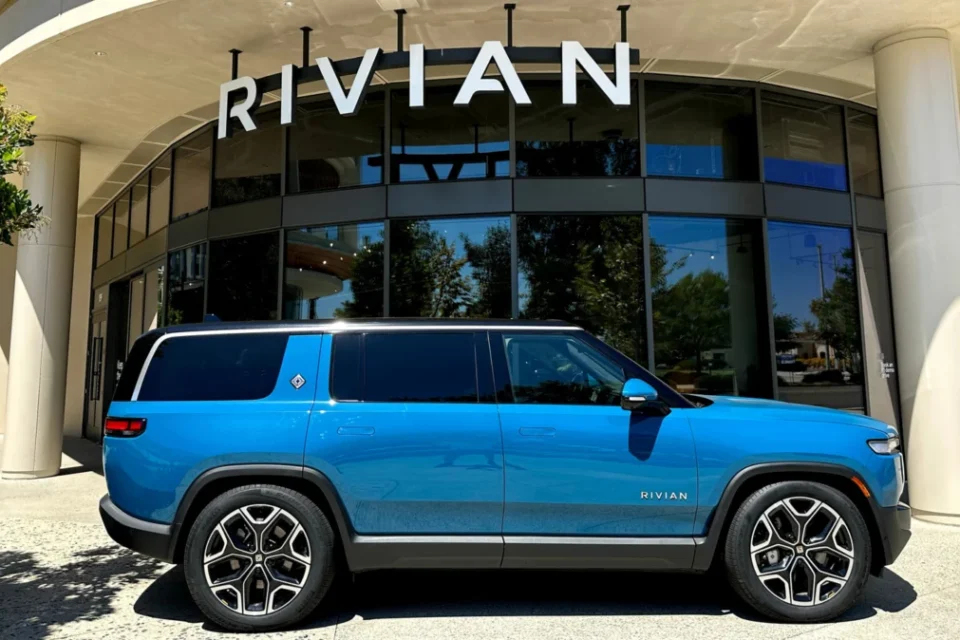
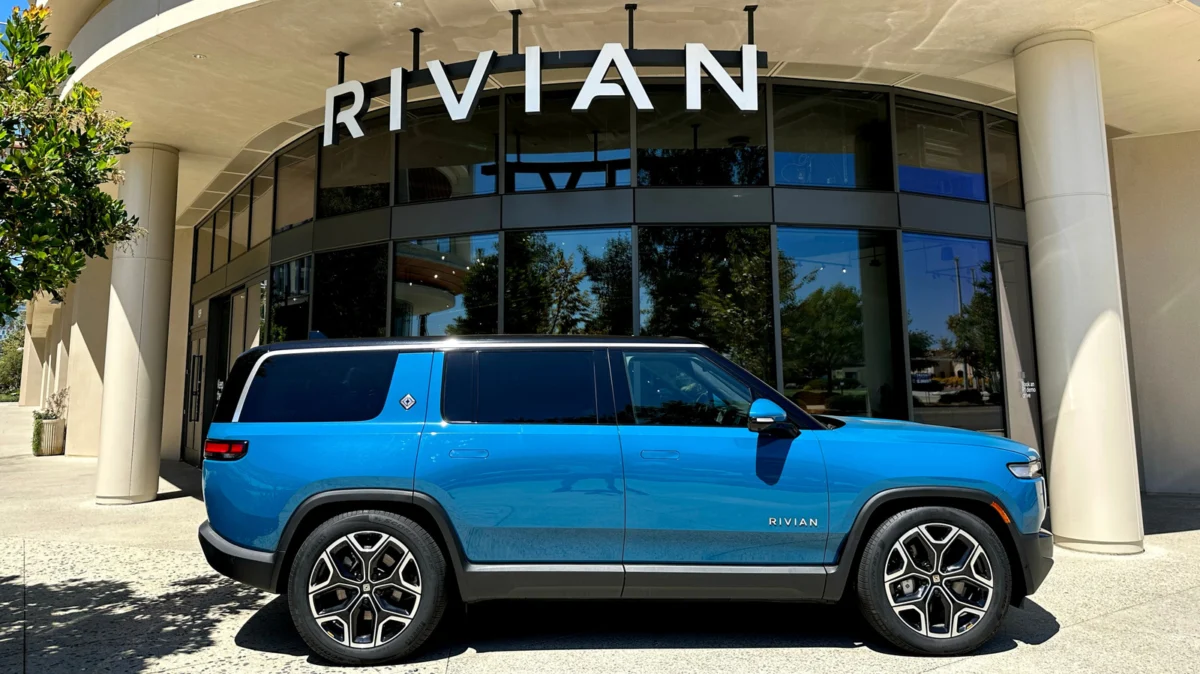
The electric vehicle (EV) landscape is currently witnessing a significant legal challenge as Rivian Automotive, the Irvine-based manufacturer, finds itself at the center of a class-action lawsuit. The core of the grievance centers on allegations that the company intentionally misled early adopters of its flagship R1T pickup truck and R1S SUV regarding the autonomous driving capabilities of the first-generation (Gen 1) vehicle lineup.
The litigation, which has been filed by a group of disgruntled Rivian customers, alleges that the company engaged in deceptive marketing practices, touting "Level 3" autonomous driving potential that, according to the plaintiffs, was never physically possible with the hardware integrated into those early vehicles. As the automotive industry races toward a future defined by software-defined vehicles and hands-free driving, this case highlights the growing friction between ambitious marketing promises and the stark realities of hardware limitations.
The Core Allegations: Hardware Limitations vs. Marketing Promises
At the heart of the complaint is a fundamental technological discrepancy. The plaintiffs argue that Rivian aggressively marketed its Gen 1 R1T and R1S models as vehicles equipped with the necessary architecture to support advanced autonomous features. Specifically, the lawsuit contends that Rivian promised consumers that these vehicles would eventually be capable of Level 3 autonomy.
In the automotive industry, Level 3 autonomy—as defined by the Society of Automotive Engineers (SAE)—represents a significant leap. At this stage, a vehicle is capable of handling the majority of driving tasks, including steering, acceleration, and braking, in specific conditions, allowing the driver to divert their attention away from the road, provided they are ready to intervene when requested.
The lawsuit’s complaint is explicit in its accusation: "In reality, Rivian manufactured its Gen 1 Vehicles without the hardware, cameras, sensors, and compute to enable hands-free driving and/or Level 3 autonomous operation." The plaintiffs go further, suggesting that the deficit is not merely a software hurdle that can be cleared with a future "over-the-air" (OTA) update. Instead, the filing states, "No software update—no matter how sophisticated—will enable its Gen 1 Vehicles to perform as advertised."
This assertion strikes at the heart of Rivian’s business model, which has leaned heavily on the promise of perpetual improvement through software updates. If the hardware—the physical eyes and ears of the vehicle—lacks the requisite depth, resolution, or processing power, the promise of autonomy remains an unreachable horizon.
A Chronology of the Controversy
The tension surrounding Rivian’s self-driving capabilities did not emerge overnight; it is the culmination of years of high-profile product launches and evolving industry standards.
The Initial Hype (2021–2022)
When Rivian first brought the R1T and R1S to market, the company garnered immense praise for its design, performance, and off-road capability. During this period, marketing materials and statements from company leadership often emphasized the advanced nature of the vehicle’s sensor suite and the long-term potential for autonomy, fueling consumer expectations that these vehicles would remain at the cutting edge of tech for years to come.
The Pivot to Gen 2 (2023–2024)
As Rivian transitioned into its second generation of vehicles and introduced the R2 platform, the company began to pivot its messaging toward "universal hands-free driving." Late last year, Rivian showcased new software updates and sensor architectures that were clearly designed to facilitate a more robust autonomous experience. However, these advancements were largely earmarked for the R2 collection and the newer, updated R1 hardware.
The Discovery and Legal Action (2025–2026)
As Gen 1 owners realized that the long-promised autonomous features were being rolled out exclusively—or more effectively—on newer hardware, dissatisfaction began to brew. The realization that their vehicles might be permanently barred from these high-end features due to hardware constraints led to the current class-action suit, which gained significant traction in mid-2026.
The Role of Hardware in the Autonomous Race
To understand the severity of the plaintiffs’ claims, one must examine what constitutes a modern autonomous vehicle. Level 3 autonomy requires a highly redundant and precise sensor suite. This typically includes:
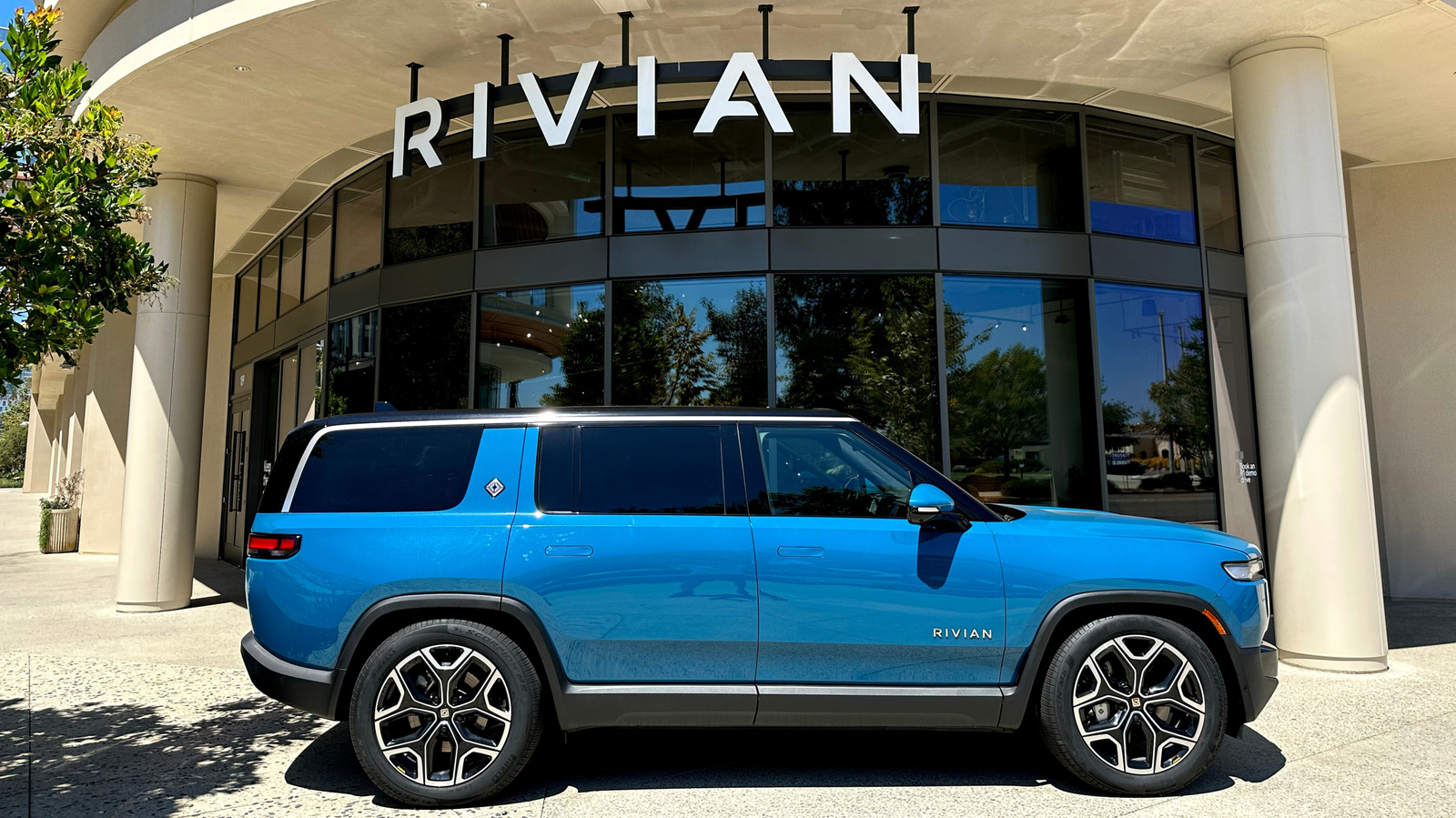
- High-Resolution LiDAR: To map the environment in three dimensions.
- Long-Range Radar: To detect objects at high speeds.
- High-Definition Cameras: To recognize traffic signals, lane markings, and pedestrians.
- Powerful On-Board Computing (SoC): To process the massive amount of data in milliseconds.
The plaintiffs argue that the Gen 1 vehicles were essentially launched with a "placeholder" hardware set. By marketing these vehicles as "future-proof," the lawsuit alleges that Rivian induced consumers to pay premium prices, effectively selling them on a vision of the future that the company knew—or should have known—could not be realized by the equipment installed on the assembly line.
Official Responses and Corporate Silence
In the face of these serious allegations, Rivian has maintained a position of strategic silence. When reached by TechCrunch and other media outlets following the filing of the lawsuit, representatives for the company declined to provide a formal comment, citing the pending nature of the litigation.
This "no comment" stance is standard for companies facing high-stakes litigation, but it leaves a void in the public narrative. Without a formal rebuttal, the plaintiffs’ claims that Rivian "unquestionably knew" about the hardware limitations remain the dominant narrative in the public eye. For a brand like Rivian, which relies heavily on a community-focused image and transparency, the silence is a high-risk strategy that could influence brand loyalty if not handled with care.
Implications for the EV Industry
The Rivian lawsuit is not an isolated incident; it reflects a broader existential debate within the automotive industry. Companies like Tesla have faced similar scrutiny for years regarding their "Full Self-Driving" (FSD) claims. The legal battle against Rivian could serve as a bellwether for how courts interpret "future-proofing" marketing claims.
1. Consumer Protection and "Vaporware"
If the court finds in favor of the plaintiffs, it could establish a legal precedent that mandates greater transparency in marketing emerging technologies. It may force automakers to explicitly state the hardware limitations of a vehicle at the time of sale, effectively ending the era of selling "the promise" of future autonomous features.
2. The Cost of Hardware Upgrades
The case also underscores the massive financial burden of the "software-defined vehicle" transition. If manufacturers are held liable for hardware that becomes obsolete within a few years, the economic model of selling high-end EVs becomes far more precarious. It could discourage manufacturers from experimenting with cutting-edge tech if they fear legal repercussions for subsequent hardware iterations.
3. Investor Confidence
For Rivian, the financial implications extend beyond the potential settlement costs. A class-action suit can dampen investor sentiment, raising questions about the company’s internal governance, product roadmap, and long-term viability. As Rivian continues to burn cash to scale production, any legal distraction that threatens its revenue streams or brand reputation adds a layer of volatility that the stock market generally dislikes.
The Path Forward: What’s Next?
As the legal process unfolds, the court will likely delve into internal company communications—emails, engineering memos, and strategy documents—to determine whether Rivian executives had knowledge of the hardware limitations while they were simultaneously marketing the vehicles as capable of Level 3 autonomy.
For the plaintiffs, the goal is likely twofold: restitution for the price difference between what they paid for a "future-proof" vehicle and what they actually received, and a potential mandate for Rivian to provide hardware retrofits or software concessions that bring the Gen 1 vehicles closer to the original promise.
For Rivian, the defense will likely center on the fluidity of software development and the inherent risks of early-adopter programs. The company may argue that autonomous technology is an evolving field and that its marketing was based on the best projections available at the time, rather than a malicious attempt to deceive.
Regardless of the outcome, the lawsuit marks a turning point. It serves as a reminder that as the automobile evolves from a mechanical machine into a rolling computer, the laws governing consumer rights and corporate accountability must evolve as well. The era of the "unlimited" promise in automotive tech is coming to an end, and both consumers and manufacturers are learning the hard way that when it comes to self-driving, the physical hardware is the ultimate authority.
